TL;DR / Key Takeaways
- True Autonomy: Modern Standalone (SA) 5G networks operate entirely independently of legacy 4G cores, dropping network latency under 5 milliseconds.
- Enterprise Slicing: Virtualized network slicing enables dedicated, bandwidth-guaranteed network channels for enterprise, IoT, and critical applications.
- Infrastructure Shift: AI-native self-healing base stations and Fixed Wireless Access (FWA) are rapidly replacing traditional copper and coax links.
More than 60% of commercial mobile connections now run on dedicated standalone infrastructure rather than legacy LTE anchors. The transition from early hybrid deployments to fully cloud-native wireless cores has elevated mobile networks from simple smartphone broadband pipes into real-time computing utilities.
Whether managing multi-site enterprise infrastructure or streaming high-bitrate media at home, understanding how modern cellular architecture functions is vital.
What Is 5G Architecture and How Has It Evolved?
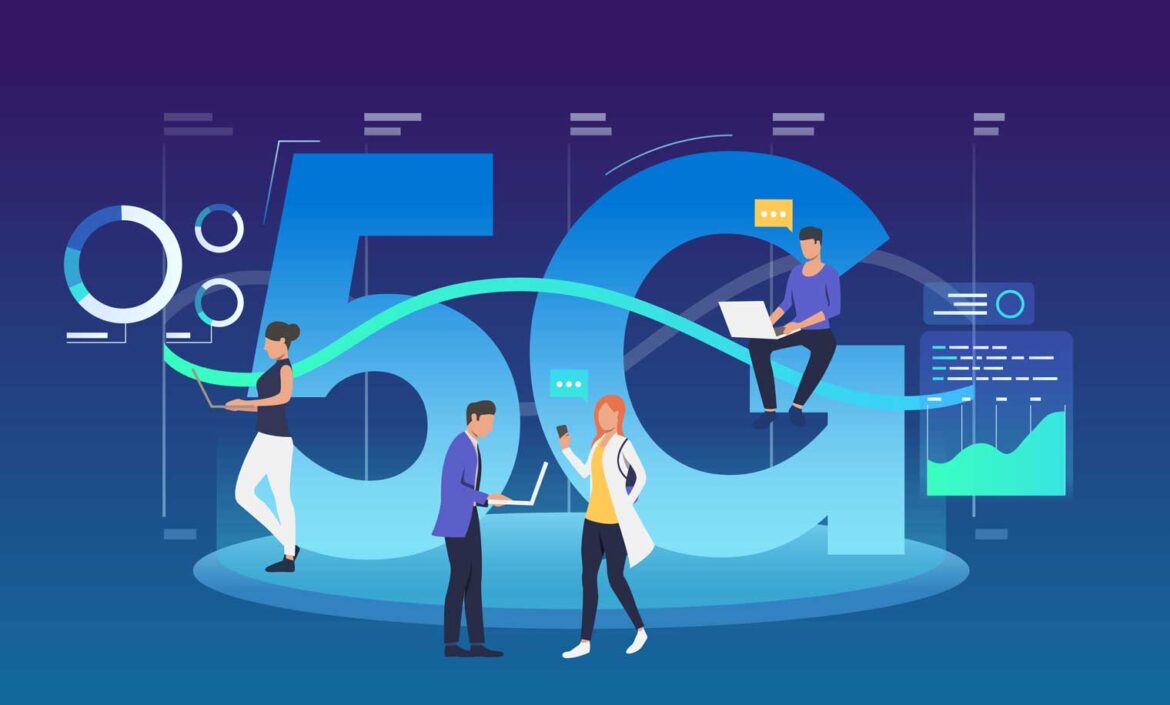
5G architecture relies on cloud-native core networks, high-frequency radio spectrums, and edge compute nodes to route data at gigabit speeds. It replaces static physical hardware with software-defined networking, allowing operators to reconfigure radio traffic dynamically.
Earlier iterations of mobile networks relied heavily on non-standalone (NSA) deployments that used 4G towers for control signalling. In technical terms, the full form of 5G is Fifth Generation Mobile Network, representing an independent cellular standard designed from the ground up for massive device density, ultra-low latency, and programmable routing.
By running on dedicated Standalone (SA) cores, current networks support up to one million connected endpoints per square kilometer while maintaining sub-5ms ping times.
Core Pillars Shaping 5G Networks in 2026
Three primary architectural features distinguish current wireless environments from legacy networks.
1. Dynamic Network Slicing
Network slicing allows service providers to split a single physical radio access network (RAN) into multiple virtual networks tailored to exact performance needs.
- Ultra-Reliable Slices: Reserved for autonomous vehicles, medical telemetry, and industrial robotics where packet loss cannot be tolerated.
- High-Throughput Slices: Allocated for 8K video broadcasting, augmented reality (AR), and heavy consumer data streams.
- Massive IoT Slices: Optimized for smart city utility sensors requiring low power consumption over continuous high-density connections.
2. Multi-Access Edge Computing (MEC)
MEC brings cloud processing power directly to local base stations instead of sending raw data back to centralized server farms.
By processing data at the cell site, response times drop dramatically, enabling real-time computer vision, instant translation, and responsive cloud gaming.
| Cellular Parameter | 4G LTE | Standalone 5G |
| Peak Data Rates | 1 Gbps | 10 to 20 Gbps |
| Average Latency | 30 – 50 ms | 1 – 5 ms |
| Connection Density | ~100,000 devices / $km^2$ | ~1,000,000 devices / $km^2$ |
| Core Network | EPC (Evolved Packet Core) | 5GC (Cloud-Native 5G Core) |
What 5G Means for Enterprise IT vs. Consumers
The practical benefits of modern mobile networks differ significantly depending on whether you are managing an IT department or upgrading a personal device.
Impact on Enterprise IT Operations
IT teams are deploying Private 5G networks inside factories, warehouses, and corporate campuses as a reliable alternative to Wi-Fi.
Private cell sites operate on protected spectrums, shielding internal industrial automated systems and corporate laptops from local signal congestion or external interferences.
Impact on Consumer Daily Life
For consumers, 5G Fixed Wireless Access (FWA) has established itself as a primary home internet option, competing directly with fiber and cable providers.
Plug-and-play 5G home gateways deliver multi-hundred-megabit speeds over the air without requiring technicians to trench physical lines into the home.
Frequently Asked Questions (FAQ)
Is 5G faster than home fiber internet?
While 5G peak wireless speeds can reach multiple gigabits, wired fiber generally offers lower latency and more consistent upload speeds during peak network hours.
Does 5G replace local Wi-Fi networks?
No, 5G and Wi-Fi 7 complement each other; Wi-Fi remains ideal for local indoor LAN management, while 5G excels at wide-area mobility and outdoor coverage.
Why does battery consumption increase on 5G devices?
Searching across higher-frequency bands and maintaining multi-antenna connections requires additional RF power processing, though modern device chipsets continue to improve efficiency.
Conclusion
5G has matured into a foundational utility powering home broadband, industrial automation, and enterprise networking. By utilizing standalone cloud cores, edge computing, and virtual network slicing, modern cellular standards deliver the speed, stability, and scale required for a fully connected digital ecosystem.