Improving your home with additional living space can make everyday life more comfortable and increase its appeal. Glass verandas and conservatories are two popular options for homeowners who want more natural light and a stronger connection with their gardens. However, they differ significantly in design, functionality, installation requirements and long-term costs.
Choosing between a conservatory and glass verandas depends on how you intend to use the space, your available budget and the level of weather protection required. Understanding these differences can help you make a practical investment that suits your property and lifestyle.
Understanding the Difference Between Glass Verandas and Conservatories
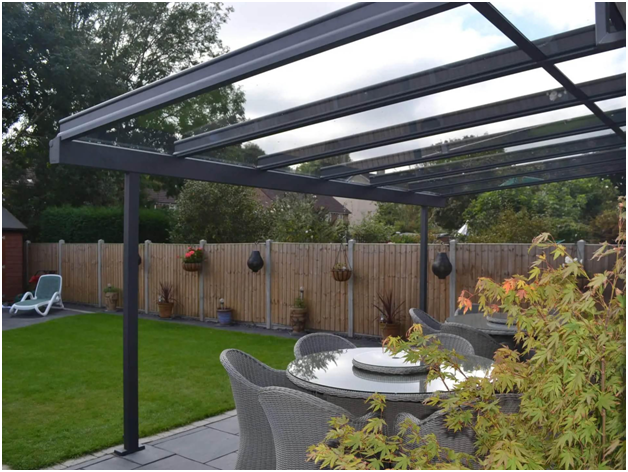
A glass veranda is generally an outdoor structure featuring a transparent glass roof supported by an aluminium framework. It is commonly attached to the house and provides a sheltered area for relaxing, dining or entertaining.
Most verandas have open sides, allowing fresh air to circulate while offering overhead protection from rain. Some designs can incorporate optional side panels, lighting or heating to improve comfort.
A conservatory, however, is an enclosed structure featuring glazed walls and a roof made from glass, polycarbonate or other suitable materials. It provides an additional indoor room connected to the main property.
Unlike a veranda, a conservatory offers greater separation from outdoor weather conditions. Its enclosed construction makes it suitable for activities that require a more protected environment.
Installation Costs and Overall Investment
Cost is often one of the most important considerations when comparing these home improvements.
Glass verandas generally involve less extensive construction than conservatories. Their installation typically focuses on structural supports, roof glazing, suitable foundations or fixings, and drainage arrangements.
Conservatories usually require additional building work, including foundations, flooring, walls, glazing, doors and potentially electrical installations. However, the final cost of either option depends on its dimensions, materials, ground conditions and installation requirements.
A veranda with additional glazing, integrated features or complex structural requirements may cost considerably more than a basic design. Homeowners should therefore compare detailed quotations rather than assuming one option will always be cheaper.
It is also important to consider future maintenance expenses alongside the initial installation cost.
Which Option Offers Better Everyday Usability?
The better investment is often the structure that matches how frequently and comfortably you intend to use it.
Glass Verandas for Outdoor Living
A glass veranda works particularly well for homeowners who enjoy spending time outdoors but want additional shelter. Its transparent roof allows daylight to pass through while protecting the seating area from rainfall. The open design also maintains natural ventilation and a close connection with the garden.
However, open-sided verandas cannot provide the same protection from cold temperatures, strong winds or driving rain as enclosed rooms.
Additional side panels or heating may improve comfort, although they do not necessarily make the structure equivalent to an insulated indoor extension.
Conservatories for Additional Indoor Space
Conservatories are more suitable when homeowners need a separate room rather than a sheltered outdoor area. Depending on their design, insulation and ventilation, they can accommodate dining furniture, seating or other everyday activities.
However, temperature control requires careful consideration. Poorly insulated conservatories may become excessively warm during summer and uncomfortable during colder months.
Suitable glazing, ventilation, shading and thermal performance are important for maintaining a comfortable indoor environment.
Maintenance and Long-Term Durability
Both options require regular maintenance to preserve their appearance and performance. Modern glass verandas commonly use aluminium frames and toughened glass roofing. Aluminium offers good resistance to corrosion, while toughened glass provides strength suitable for properly designed installations.
Nevertheless, the roof needs occasional cleaning to remove dirt, leaves and accumulated debris. Gutters and drainage channels should also remain clear. Conservatories generally have more enclosed components that require inspection, including doors, windows, seals and roof connections.
Damaged seals, blocked drainage or deteriorating roof components can eventually cause moisture problems. Neither structure is completely maintenance-free. The quality of materials, installation and routine care will influence its long-term condition.
Planning Permission and Building Regulations
Planning requirements should be investigated before choosing either structure.
In England, conservatories may qualify as permitted development when they meet the relevant conditions. However, this does not automatically mean every conservatory can be built without permission.
Verandas are treated differently under planning rules, and structures classified as verandas generally require planning permission. Building regulations may also apply depending on the type of construction, structural alterations and whether an exemption is available.
Requirements can differ across the UK, particularly for listed buildings, conservation areas and properties with restricted development rights. Before proceeding, homeowners should consult their local planning authority and seek professional guidance where necessary.
How Do They Affect Property Value?
Both improvements may make a property more attractive, but neither guarantees an increase in resale value.
A well-designed veranda can improve the usability and appearance of an outdoor area. It may appeal to buyers who value garden seating, outdoor dining and sheltered entertaining spaces.
Conservatories offer a different advantage by creating enclosed accommodation. However, their contribution to property value depends on construction quality, thermal performance and whether the additional space is genuinely useful.
Poorly designed structures can sometimes reduce garden space or create maintenance concerns. When assessing potential resale benefits, consider how the improvement complements the property’s existing layout.
Professional property advice can also help homeowners understand whether the proposed investment is appropriate for their local market.
Important Factors to Consider Before Choosing
Before investing in a conservatory or glass verandas, examine how the proposed structure will work with your home.
Several practical considerations can influence the final decision:
- Available space: Assess the garden layout, access routes and the amount of outdoor space the structure will occupy.
- Primary purpose: Decide whether you need an enclosed indoor room or a sheltered outdoor seating area.
- Sun exposure: Consider how direct sunlight might affect comfort, particularly beneath extensive glazing.
- Drainage: Ensure rainwater can be directed away from the property and surrounding foundations.
- Installation requirements: Ask about structural support, ground conditions and connections to existing walls.
- Maintenance responsibilities: Understand the cleaning requirements and accessibility of roof components.
- Total budget: Include installation, optional features, ongoing maintenance and any necessary permissions.
Obtaining detailed quotations from experienced installers can help clarify these considerations.
Homeowners should also discuss suitable materials, roof configurations and installation limitations before making a final commitment.
Conclusion
Glass verandas and conservatories provide different benefits, making the better investment dependent on your needs. Conservatories offer enclosed accommodation, while glass verandas provide a practical way to create sheltered outdoor living areas without fully separating the space from the garden.
Before making a decision, assess installation costs, planning requirements, maintenance responsibilities and everyday usability. Choosing a structure that suits your property’s layout and intended use is generally more valuable than focusing solely on its initial price.