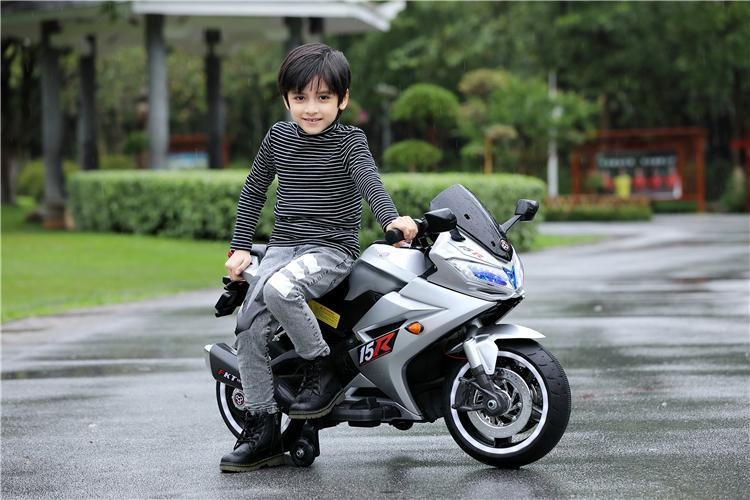
Outdoor play has always been essential to childhood, but the way children interact with their environment is changing. Urban living, limited play spaces, increased safety concerns, and more informed parenting have all reshaped expectations around how kids play outside. Today’s parents want toys that do more than entertain. They want options that encourage independence while still allowing a level of supervision that feels responsible. This balance is exactly where guided toy play finds its relevance, especially with innovations like the remote ride on toy, which gives children freedom of movement while keeping parents confidently involved.
Guided play is not about restriction. It is about structure, safety, and smarter engagement. As outdoor play evolves, toys that blend fun with thoughtful control are becoming the new standard rather than the exception.
Understanding Guided Toy Play in Today’s Context
Guided toy play refers to play experiences where children actively participate while parents or caregivers retain partial control over speed, direction, or operation. This guidance can be physical, visual, or technological, depending on the toy design and age group.
In modern households, guided play has emerged as a response to real-world conditions. Smaller outdoor spaces, busier schedules, and heightened safety awareness mean parents want toys that adapt to these constraints rather than ignore them. Instead of limiting playtime, guided toys extend it by making outdoor play more accessible and less stressful.
Children still feel a sense of autonomy. They sit, steer, explore, and make choices. Parents, meanwhile, feel reassured knowing they can intervene when needed. This shared control model transforms outdoor play into a collaborative experience rather than a hands-off risk.
Why Parents Are Moving Away from Fully Manual Toys
Traditional outdoor toys require either complete supervision or complete independence. Both extremes come with challenges. Fully manual ride toys demand constant physical presence, while fully independent ones may feel unsafe for younger children.
Guided toy play bridges this gap by offering a middle ground that aligns with modern parenting values.
Better Safety Without Reducing Fun
Safety is the primary reason parents gravitate toward guided toys. Speed control, gradual acceleration, and responsive braking reduce the likelihood of accidents. These features allow children to enjoy movement without overwhelming them or the parent.
Instead of shouting instructions or constantly running alongside, parents can supervise calmly. This creates a more relaxed play environment, which children instinctively respond to with greater confidence.
Encouraging Early Independence
Guided toys introduce children to decision-making in a controlled setting. Steering, choosing directions, and understanding spatial awareness are skills developed naturally during play. Because guidance exists in the background, children feel independent while still being supported.
This approach builds confidence incrementally, making transitions to more independent play smoother over time.
Adapting to Urban Outdoor Spaces
Not every family has access to large parks or open lawns. Guided toys are particularly suited for driveways, residential pathways, and gated communities. Controlled movement ensures that play remains appropriate for limited spaces.
Parents appreciate toys that fit real environments rather than ideal ones.
The Role of Technology in Smarter Play Experiences
Technology has quietly reshaped children’s toys, not by replacing play, but by refining it. Guided toy play benefits significantly from technological advancements that make outdoor activities more intuitive and responsive.
Features such as remote steering, adjustable speed modes, and smooth start mechanisms help align play with developmental stages. These advancements have also improved durability, battery efficiency, and ride stability, making modern toys more reliable for everyday use.
Within this evolution, battery operated ride on toys have become especially popular because they combine consistent performance with user-friendly operation. They eliminate the unpredictability of manual force while offering controlled excitement that feels just right for young riders.
How Guided Play Supports Child Development
Guided toy play does more than keep children busy. It contributes meaningfully to physical, cognitive, and emotional development.
Physical Coordination and Motor Skills
Riding toys encourage balance, hand-eye coordination, and spatial awareness. Guided speed allows children to focus on steering and movement without being overwhelmed. Over time, muscle memory improves, and confidence grows.
Unlike static toys, ride-on play promotes active engagement, which supports overall physical health.
Cognitive Growth Through Real-Time Decision Making
Choosing paths, responding to obstacles, and understanding cause and effect are all part of guided riding experiences. Children learn to anticipate movement and adapt their actions accordingly.
Because guidance exists, mistakes become learning moments rather than safety risks.
Emotional Confidence and Trust
Children feel empowered when they sense trust from their parents. Guided toys communicate that trust clearly. Parents allow exploration while staying present, reinforcing a sense of security.
This emotional balance fosters resilience and curiosity, traits that extend far beyond playtime.
Why Guided Toy Play Aligns with Modern Parenting Values
Parenting today is deeply intentional. Families prioritize experiences that are safe, enriching, and adaptable to busy lifestyles. Guided toy play reflects these priorities naturally.
Parents are no longer choosing toys based solely on entertainment value. They look for longevity, learning potential, and adaptability. Toys that grow with the child, offering adjustable levels of control, feel like smarter investments.
Additionally, shared play moments matter more than ever. Guided toys allow parents to participate without dominating the experience. This shared engagement strengthens bonds while still allowing children to lead.
The Growing Relevance of Guided Ride Toys in India
As urban landscapes evolve, guided toy play is gaining relevance across Indian cities. Compact residential layouts, shared outdoor spaces, and safety-conscious communities make guided ride toys a practical choice.
Parents exploring options like a ride on bike in India increasingly look for designs that combine global safety standards with local usability. Ease of charging, durable construction, and intuitive controls matter just as much as visual appeal.
Guided play fits seamlessly into this context by offering toys that respect both environmental constraints and developmental needs.
Summary
Guided toy play represents a thoughtful shift in how children experience outdoor fun. It prioritizes safety without limiting exploration, supports development without pressure, and adapts seamlessly to modern living spaces. As parenting continues to balance freedom with responsibility, guided toys are emerging as a natural progression rather than a passing trend.
For families exploring guided outdoor play options, ISAKAA offers a well-curated range of remote-controlled ride vehicles, battery-powered bikes with parental control features, and age-adjustable ride-on designs. These thoughtfully designed toys align with today’s expectations of safety, engagement, and long-term usability, making them a practical and dependable addition to a child’s outdoor play routine.