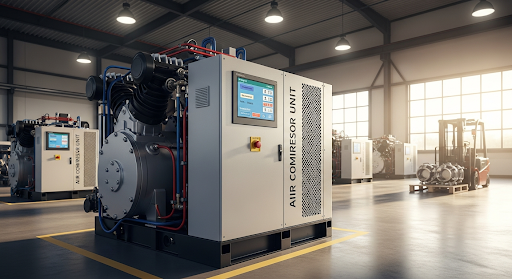
Offshore vessels operate under challenging conditions that demand consistent performance from all onboard systems. Air systems are among the most critical components, powering machinery, safety mechanisms, and essential tools. Reliable air systems help maintain operational efficiency, reduce downtime, and enhance crew safety. Partnering with a trusted Hengda air compressor units supplier ensures vessels are equipped with high-quality equipment capable of delivering consistent performance under harsh marine environments.
1. Role of Air Systems in Vessel Operations
Air systems are essential to vessel operations, serving as the backbone for multiple onboard systems and processes. Their performance directly affects operational efficiency and safety across offshore missions.
- Powering onboard machinery: Vessel engines, pneumatic tools, and other mechanical equipment rely on a consistent air supply to function optimally. A reliable air system ensures that machinery operates without interruptions, preventing delays and avoiding costly repairs due to equipment failure. This uninterrupted flow of energy allows vessels to maintain operational schedules even in demanding offshore conditions.
- Supporting safety mechanisms: Compressed air is vital for the operation of emergency systems such as lifeboat deployment, fire suppression, and alert mechanisms. A dependable air system ensures that these safety-critical processes function correctly, reducing risk to crew members and protecting cargo. In scenarios where timing and reliability are critical, a well-maintained air system can be the difference between safe operations and potential hazards.
- Stabilizing vessel operations: Efficient air systems help maintain the stability of onboard machinery and processes. They support operations ranging from cargo handling to navigation systems, ensuring all tasks proceed smoothly. By preventing sudden equipment stoppages and operational inconsistencies, air systems contribute to a predictable workflow that enhances the overall performance of the vessel.
- Enhancing operational reliability: A dependable air system ensures a continuous supply to all critical machinery, which improves reliability across the vessel’s operations. Consistent performance reduces unexpected downtime, prevents mechanical wear, and supports long-term operational efficiency. This reliability is especially important for vessels operating in remote offshore locations where immediate repair or replacement options are limited.
2. Features of High-Performance Marine Air Systems
Marine air systems must withstand harsh offshore conditions, including saltwater exposure, high humidity, and continuous vibration. High-quality air systems combine durability, efficiency, and operational adaptability.
- Durable construction: High-quality materials such as corrosion-resistant steel and reinforced components prevent rust and degradation, even in saltwater environments. This durability ensures that the system can operate continuously without premature wear, extending the lifespan of the equipment and reducing maintenance costs. A well-constructed air system can handle repeated cycles and mechanical stress without performance degradation.
- Continuous operation capability: Offshore vessels often require air systems to run 24/7. High-performance compressors are designed to provide a steady, uninterrupted air supply to critical systems, supporting the continuous operation of engines, tools, and safety equipment. This ensures that essential functions remain operational regardless of external conditions or vessel workload.
- Compact and efficient design: Modern air systems are engineered to fit in limited engine room spaces without sacrificing output. Compact designs allow for efficient installation while maintaining high performance. Space-saving features also enable easier access for inspection and maintenance, contributing to overall operational efficiency onboard the vessel.
- Energy-efficient operation: Advanced marine air systems are designed to minimize energy consumption while delivering consistent pressure and airflow. This reduces fuel usage, lowers operational costs, and supports environmentally responsible offshore operations. Energy-efficient systems also generate less heat and strain on machinery, further enhancing reliability.
3. Benefits of Using Reliable Air Systems
Implementing high-quality air systems on vessels offers measurable operational and safety benefits, contributing to long-term efficiency and cost-effectiveness.
- Reduced downtime: Reliable compressors prevent unexpected system failures that could halt operations. Minimizing downtime ensures that vessels can maintain operational schedules and deliver consistent performance during offshore missions. Reduced interruptions also decreases the need for emergency repairs and improves overall workflow.
- Enhanced safety: A dependable air system ensures emergency equipment, life-saving devices, and critical machinery operate correctly. Properly functioning systems protect crew members, reduce operational risks, and support a safer onboard environment. This reliability is especially crucial during offshore operations where immediate external assistance may not be available.
- Optimized energy use: Energy-efficient air systems help reduce fuel consumption and operational costs. By delivering consistent airflow with minimal energy expenditure, these systems support environmentally responsible operations and reduce unnecessary operational strain. Optimized systems also extend the lifespan of onboard machinery by preventing overuse and overheating.
- Improved crew productivity: Consistent air supply allows crew members to perform their duties confidently, knowing that machinery and tools will operate reliably. Reduced system interruptions mean personnel can focus on operational tasks rather than troubleshooting or maintenance, improving efficiency and morale.
4. Selecting the Right Air Compressor Supplier
Choosing a trusted air compressor supplier is vital to ensure vessels receive high-quality, certified equipment and technical support for installation and maintenance.
- Certified equipment: A reputable supplier provides compressors that meet international maritime standards for performance, safety, and durability. Certified equipment ensures compliance with regulatory requirements, reducing the risk of operational issues or legal complications.
- Technical support: Expert advice from suppliers helps vessel operators select compressors suitable for specific operational needs, environmental conditions, and vessel size. Proper selection ensures optimal performance and prevents costly mismatches.
- After-sales service: Maintenance, repair, and technical support from the supplier ensures continuous system efficiency. Timely service minimizes downtime, extends equipment lifespan, and prevents minor issues from escalating into major failures.
- Timely procurement: Dependable suppliers deliver equipment promptly, supporting planned vessel deployments and avoiding operational delays. Efficient logistics and supply chain management are critical for offshore operations where timing is essential.
Conclusion
Investing in reliable marine air systems is crucial for safe and efficient offshore vessel operations. Sourcing equipment from a trusted Hengda air compressor units supplier or an experienced air compressor supplier ensures vessels receive high-quality, certified systems capable of uninterrupted performance. Wismar Heavy Equipment TRD LLC offers a wide range of marine air systems and equipment designed to meet rigorous offshore demands. Their industry expertise, focus on quality, and commitment to client support make them a dependable partner for operators seeking solutions that enhance operational efficiency, protect crew and cargo, and support continuous offshore operations.