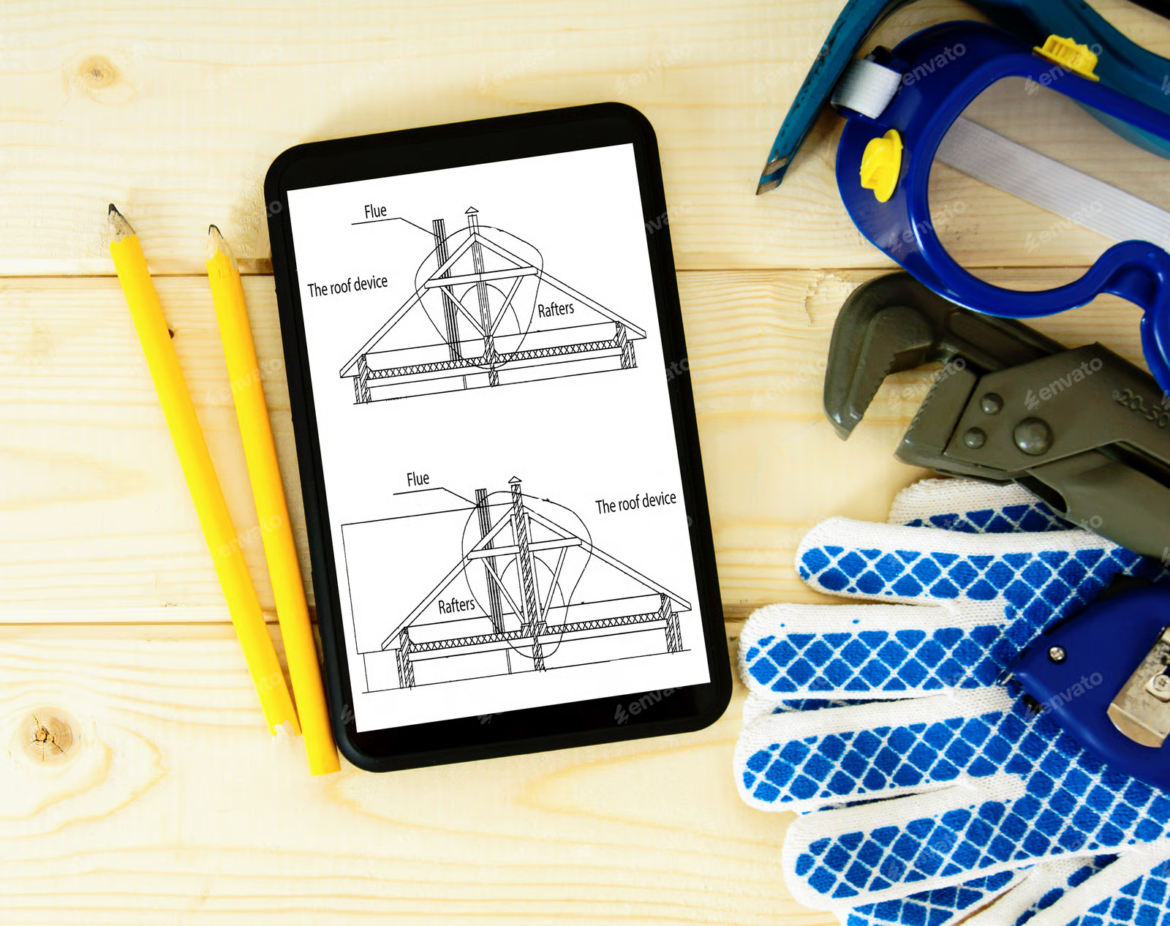
Developing strong analytical skills is essential for engineers designing reliable and efficient structures. Many professionals strengthen their technical knowledge through civil engineering classes, where theoretical concepts are combined with practical project exposure. These learning environments help engineers understand structural behavior and apply analytical techniques in real engineering scenarios.
Structured training also helps bridge the gap between academic learning and industry expectations. Through industry-oriented modules, engineers gain insights into structural systems, software tools, and project workflows, enabling them to apply engineering principles effectively in professional design environments.
Strengthening Structural Analysis Fundamentals
A strong understanding of structural fundamentals forms the backbone of effective design and analysis. Engineers who master these concepts are able to evaluate loads, material behavior, and stability factors with greater accuracy. These core skills ensure that every structural design meets safety and performance requirements.
- Understanding Load Distribution Principles
Structural analysis begins with identifying how loads move through a structure. Engineers evaluate forces such as dead loads, live loads, wind pressure, and seismic activity. By understanding load distribution, they can design structures that transfer forces safely to foundations and maintain long-term stability. - Evaluating Structural Stability Factors
Stability plays a critical role in ensuring a structure remains safe under different environmental conditions. Engineers examine factors such as buckling, deflection, and load paths. This evaluation helps determine whether a design can withstand real-world stresses without structural failure. - Studying Material Behavior in Structures
Materials such as steel and reinforced concrete respond differently under stress. Engineers analyze how materials expand, compress, and resist forces. This knowledge allows them to select the appropriate materials and design structural components that perform efficiently. - Developing Accurate Calculation Methods
Precision in structural calculations is essential for ensuring safe designs. Engineers apply mathematical models and analytical formulas to evaluate forces and reactions. Consistent calculation methods help maintain accuracy and reliability throughout the design process.
Practical Learning Through Project-Based Modules
Industry-focused learning modules expose engineers to real-world scenarios that simulate professional engineering environments. These experiences strengthen problem-solving skills and improve confidence in handling structural projects.
- Exposure to Real Engineering Case Studies
Case studies allow engineers to examine completed projects and understand the design decisions behind them. By studying structural challenges and solutions, learners gain practical insights that cannot be obtained from theory alone. - Application of Analytical Concepts in Projects
Engineers practice applying theoretical concepts to practical design problems. This includes analyzing loads, creating structural layouts, and evaluating performance. Project-based exercises help transform theoretical understanding into practical competence. - Enhancing Technical Communication Skills
Engineers must clearly present structural calculations and design concepts to project teams. Through project modules, learners practice preparing reports and technical documentation that communicate design information effectively. - Building Confidence in Design Decision Making
Exposure to real project scenarios helps engineers develop confidence in evaluating structural alternatives. This experience allows them to make informed decisions when selecting design approaches and materials.
Expanding Technical Skills Through Structured Learning
Structured training environments allow engineers to develop specialized expertise through progressive learning modules. Many learners enroll in civil engineering classes that integrate theoretical instruction with advanced software practice and project-based exercises.
- Learning Advanced Structural Modeling Techniques
Engineers use digital tools to create detailed structural models that replicate real construction systems. These models help evaluate structural behavior under various load conditions and improve design accuracy. - Understanding Software-Based Structural Analysis
Modern engineering relies on software tools to analyze structural performance. Engineers learn to interpret analysis results, identify design limitations, and refine structural systems for improved efficiency. - Developing Systematic Design Approaches
Structured training teaches engineers to follow organized design procedures. This systematic approach ensures that every stage of structural design is properly evaluated and documented. - Exploring Industry-Focused Learning Resources
Engineers often seek practical learning opportunities that connect theoretical knowledge with real project requirements. Many learners expand their expertise through civil courses that emphasize real-world engineering applications. These programs allow engineers to refine analytical techniques and strengthen their ability to solve practical design challenges.
Enhancing Analytical Thinking in Structural Design
Structural engineering requires strong analytical thinking to evaluate multiple design variables simultaneously. Engineers must consider safety, cost efficiency, and material performance while developing reliable structural solutions.
- Analyzing Complex Structural Systems
Large infrastructure projects involve interconnected structural components. Engineers analyze these systems carefully to understand how each component contributes to overall stability and performance. - Optimizing Structural Efficiency
Structural optimization involves reducing material usage while maintaining safety standards. Engineers evaluate different design alternatives to achieve cost-effective solutions without compromising structural integrity. - Identifying Potential Structural Risks
Engineers must anticipate potential design weaknesses before construction begins. Through detailed analysis, they identify vulnerabilities and implement strategies to prevent structural failures. - Improving Long-Term Structural Performance
Effective design considers the entire lifespan of a structure. Engineers evaluate durability, maintenance needs, and environmental impacts to ensure that structures remain reliable over time.
Professional Development Through Industry-Focused Training
Continuous learning is essential for engineers who want to remain competitive in the evolving construction industry. Industry-focused training programs help engineers refine their analytical abilities and adapt to emerging technologies.
- Adapting to Technological Advancements
Engineering tools and analytical methods continue to evolve. Engineers who engage in professional learning programs stay updated with the latest technologies used in structural design. - Improving Collaboration Across Disciplines
Structural engineers often work with architects, contractors, and project managers. Professional training enhances collaboration skills and improves communication within multidisciplinary teams. - Strengthening Project Management Capabilities
Engineers learn to coordinate design tasks, manage timelines, and maintain quality standards. These skills are essential for successful project execution. - Building Confidence in Professional Practice
Continuous learning helps engineers develop confidence in their analytical decisions. This confidence enables them to take on greater responsibilities in engineering projects.
Conclusion
Industry-focused learning modules provide engineers with the opportunity to strengthen analytical thinking, refine design techniques, and gain practical exposure to real engineering challenges. By combining theoretical knowledge with hands-on project experience, engineers develop the confidence and expertise required to design safe, efficient, and innovative structures.
For learners seeking structured guidance in advanced structural analysis, many training pathways offer specialized learning resources and expert-led modules. Among such platforms, Civilera has emerged as a recognized learning destination for aspiring engineers who want to develop practical design skills and industry-ready expertise. Programs that introduce concepts such as Staad Pro beginners tutorial further help learners understand structural analysis tools and apply them effectively in real-world engineering projects.