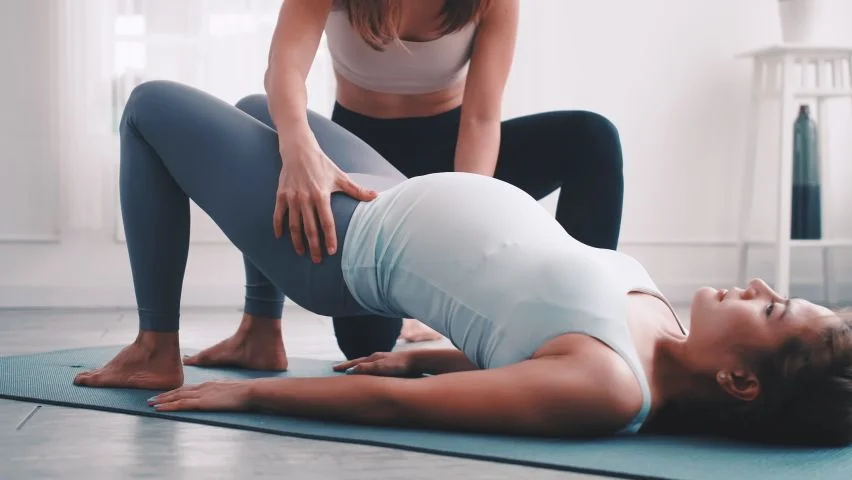
Pregnancy brings visible physical changes, but it also reshapes how women relate to their bodies on a deeper level. Strength, balance, posture, and energy levels evolve as the body adapts to support new life. For many, this transition can feel unfamiliar and, at times, physically disorienting. A few lines into this experience, the role of a pregnancy personal trainer becomes especially relevant, as maintaining confidence during this phase often depends on understanding what the body can safely do rather than focusing on perceived limitations.
Guided, prenatal-specific training helps bridge the gap between physical change and physical confidence. Instead of avoiding movement out of fear or uncertainty, structured support allows expecting mothers to stay active, informed, and connected to their bodies throughout pregnancy.
Understanding Physical Confidence During Pregnancy
Physical confidence during pregnancy is not about performance or aesthetics. It is about trust, awareness, and control as the body changes.
Redefining strength through pregnancy
Strength during pregnancy shifts from external performance to internal stability. Core engagement, pelvic support, and controlled movement become more important than lifting heavier weights or pushing limits. Learning how strength adapts helps women feel capable rather than restricted. This redefinition reduces anxiety around movement and encourages consistency instead of avoidance.
Addressing fear of movement
Many expecting mothers hesitate to exercise due to concerns about safety. Without clear guidance, this fear can lead to inactivity, stiffness, and loss of confidence. Education-driven training replaces uncertainty with clarity, allowing movement to feel supportive rather than risky. When fear is replaced with understanding, confidence naturally improves.
Body awareness and posture changes
As posture shifts and balance changes, body awareness becomes essential. Targeted exercises help women understand how their center of gravity evolves and how to move comfortably within those changes. Improved awareness reduces discomfort and reinforces a sense of control over daily movement.
How Structured Prenatal Training Builds Confidence
Structured prenatal training focuses on adapting exercise to the body’s current needs rather than forcing the body to adapt to generic routines.
Customized exercise selection
Every pregnancy is different. Structured programs adjust exercises based on trimester, physical condition, and energy levels. This customization ensures that workouts feel achievable and supportive rather than overwhelming. When exercises feel appropriate, confidence increases through consistency and progress.
Emphasis on controlled movement
Controlled, intentional movement replaces intensity-driven workouts. Breathing coordination, tempo, and alignment become priorities. This approach reduces strain and supports joint stability as ligaments naturally loosen during pregnancy. Controlled movement builds trust in the body’s ability to move safely.
Positive feedback and reassurance
Regular feedback helps expecting mothers understand what they are doing correctly. Reassurance from a qualified professional reinforces confidence, especially when navigating unfamiliar physical sensations. Consistent guidance prevents second-guessing and builds long-term comfort with exercise.
Physical Confidence Beyond the Gym
Confidence developed through prenatal training often extends into daily life, influencing how women move, rest, and manage physical stress.
Everyday functional movement
Simple activities like standing up, walking, or lifting light objects can feel different during pregnancy. Training that focuses on functional movement helps women perform daily tasks more comfortably and confidently. This functional strength reduces reliance on compensatory movements that cause discomfort.
Energy management and fatigue awareness
Understanding how to work with fluctuating energy levels prevents burnout. Structured training teaches when to push gently and when to prioritize rest. This awareness empowers women to listen to their bodies without guilt.
Mental reassurance through physical capability
Feeling physically capable supports emotional well-being. When women experience their bodies responding positively to movement, confidence improves both physically and mentally. This reassurance helps reduce stress and promotes a calmer pregnancy experience.
Building Confidence Through Safe Progression Across Trimesters
Pregnancy is not a single physical state but a progression of stages, each with different demands on the body. Confidence grows when exercise adapts in parallel with these changes rather than remaining static. Movements that feel comfortable in early pregnancy may require modification later as balance shifts, joints loosen, and energy levels fluctuate. Structured progression ensures that exercise continues to feel supportive rather than challenging in the wrong ways.
Gradual adjustments in intensity, range of motion, and recovery help women remain active without feeling overwhelmed or uncertain. This sense of progression reinforces trust in the body’s ability to adapt safely over time. Instead of fearing each new phase, expecting mothers can gain reassurance from knowing that movement can evolve alongside their changing needs. That predictability plays a key role in sustaining physical confidence throughout pregnancy.
The Role of Environment and Professional Guidance
The setting and approach of prenatal training significantly influence confidence levels. A supportive environment that respects physical boundaries encourages consistency. Professional guidance ensures exercises remain aligned with prenatal safety standards while still offering challenge and progression.
Emphasis on proper form, breathing, and gradual adaptation reinforces a sense of safety and trust. Group or one-on-one settings that prioritize communication also help normalize physical changes, reducing feelings of isolation or uncertainty.
Long-Term Impact on Post-Pregnancy Recovery
Confidence built during pregnancy often carries into postpartum recovery. Familiarity with movement, breathing techniques, and body awareness supports smoother transitions after childbirth.
Women who maintain a connection with their physical strength during pregnancy often feel more prepared to resume activity postpartum. This continuity reduces frustration and supports a healthier recovery mindset.
Rather than starting from scratch, post-pregnancy fitness becomes an extension of an existing relationship with movement.
Summary
Physical confidence during pregnancy is shaped by understanding, support, and appropriate movement. Structured prenatal training replaces uncertainty with clarity and helps women stay connected to their changing bodies. When exercise is adapted thoughtfully, confidence grows alongside strength, balance, and awareness.
Within this context, safe pregnancy fitness programs in Dubai reflect a growing emphasis on prenatal-specific training that respects both physical and emotional needs. Organizations like WeTrain operate within this space by offering structured prenatal training environments, professional guidance, and movement-focused programs designed to support confidence, safety, and continuity throughout pregnancy.