Every professional salon operates at the intersection of service precision and spatial efficiency. Furniture choices are not decorative decisions but operational investments that influence how seamlessly services are delivered. From movement flow to client positioning, each element contributes to the overall rhythm of the workspace, shaping both productivity and perception.
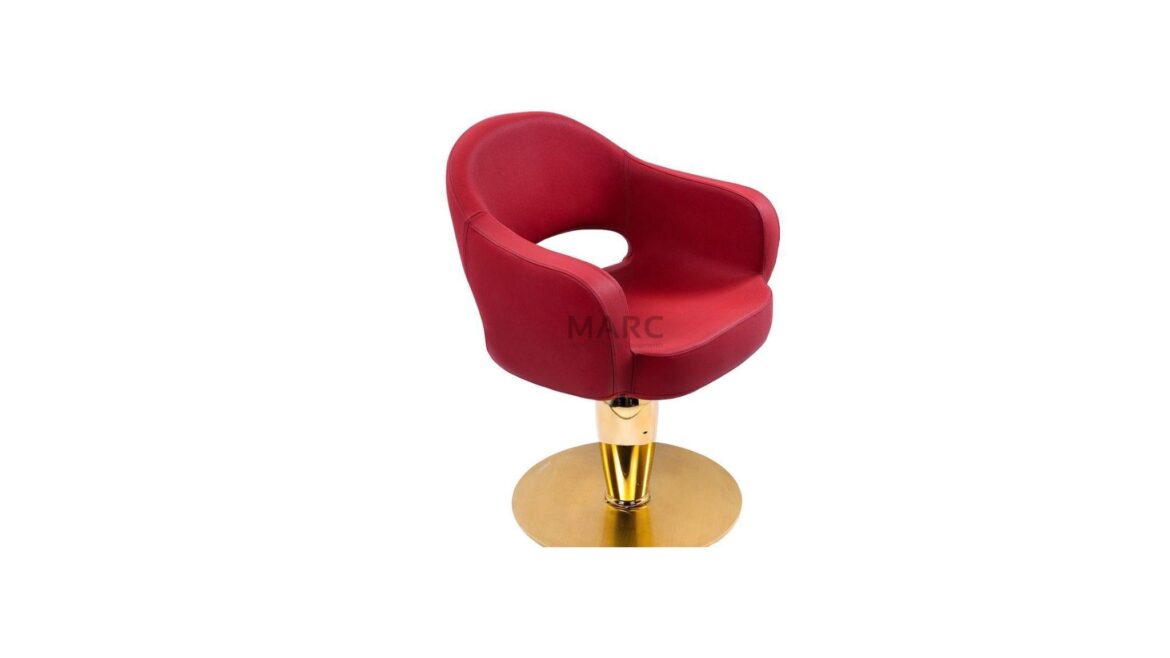
Within this framework, seating holds particular importance. A modern salon chair functions as the anchor of every service station, supporting technical accuracy while reinforcing brand presentation. Its construction, adjustability, and finish directly affect how professionals perform and how clients experience each appointment, making it a defining component of any well-structured salon environment.
The Operational Role of Salon Furniture in Daily Workflow
Salon environments rely on consistency, and furniture plays a central role in maintaining that consistency across services. Stations designed with precision allow professionals to transition smoothly between tasks without unnecessary adjustments or interruptions. This continuity supports faster service delivery without compromising quality.
Equally, furniture influences how teams interact within the space. Clear pathways, well-positioned units, and balanced layouts reduce congestion and enable coordinated movement. Over time, this structured approach contributes to higher efficiency and a more controlled working environment.
Ergonomic Design as a Business Asset
Sustained performance in a salon depends heavily on physical comfort. Chairs that support controlled positioning, smooth adjustments, and stable seating reduce strain on professionals who perform repetitive, detail-oriented tasks throughout the day. This directly impacts both output quality and long-term staff well-being.
Effective ergonomic design generally includes:
- Adjustable height systems for precision working angles
- Balanced cushioning to support extended sessions
- Stable seating structure to reduce unnecessary strain
- Supportive back design to maintain posture alignment
- Smooth mobility features for controlled positioning
From the client’s perspective, ergonomic seating enhances the service experience. Proper support, balanced cushioning, and stable positioning allow clients to remain relaxed during extended sessions. Comfort becomes an unspoken indicator of quality, subtly influencing satisfaction and retention.
Material Selection and Long-Term Value
Material quality determines whether furniture remains an asset or becomes a recurring expense. High-performance upholstery resists daily wear, while reinforced frames maintain structural reliability under constant use. These factors reduce maintenance frequency and extend product lifespan.
Maintenance efficiency is equally important. Surfaces designed for easy cleaning support hygiene protocols without requiring intensive effort. In professional environments where cleanliness is non-negotiable, material selection directly contributes to operational consistency.
Interpreting Contemporary Salon Seating Standards
Modern salon environments demand a balance between visual clarity and mechanical performance. Seating today integrates refined silhouettes with functional engineering, creating pieces that support both aesthetic alignment and technical precision. This approach ensures that furniture complements the overall design language of the space.
Contemporary standards are typically defined by:
- Clean, minimal design aligned with professional interiors
- Integrated hydraulic systems for controlled adjustments
- Stable base construction for safety and reliability
- Smooth rotation mechanisms for service flexibility
- Consistent performance across different service types
Functionality remains central to this evolution. Hydraulic systems, stable bases, and responsive rotation mechanisms enable professionals to work with control and accuracy. These features are not enhancements but essential components that define contemporary salon standards.
Evaluating Supplier Credibility and Product Consistency
Selecting the right salon chairs suppliers requires a structured evaluation process. Beyond pricing, factors such as manufacturing precision, material sourcing, and consistency across product lines determine long-term reliability. Suppliers who prioritize these elements tend to deliver products that withstand intensive daily use.
Support services also play a role in decision-making. Clear communication, reliable timelines, and customization capabilities indicate a supplier’s ability to meet professional requirements. These aspects contribute to a smoother procurement process and stronger operational outcomes.
Key Functional Features That Influence Performance
Furniture selection should be guided by features that directly impact usability. These elements ensure that each piece supports both current operations and future scalability.
- Precision height adjustment for accurate service positioning
- Stable base construction for consistent safety
- High-resilience cushioning for extended client comfort
- Easy-maintenance surfaces for hygiene efficiency
- Durable structural framework for long-term reliability
Careful attention to these features reduces operational friction and supports a more refined service environment.
Maintenance Systems That Protect Investment Value
Consistent maintenance preserves both functionality and visual appeal. Regular inspection of mechanical components, combined with routine cleaning, prevents gradual wear from affecting performance. This approach ensures that furniture continues to operate as intended over time.
Structured maintenance also reflects professional discipline. Well-maintained equipment reinforces a sense of order and reliability, contributing to a stronger client impression and a more controlled workspace.
Hydraulic Mechanism Integrity
Hydraulic systems should operate smoothly without resistance. Routine checks and appropriate handling ensure consistent height adjustment and long-term reliability.
Upholstery Longevity Management
Material care plays a key role in preserving appearance. Using suitable cleaning methods prevents surface damage while maintaining texture and finish.
Structural Frame Assurance
Frames must remain stable under repeated use. Periodic inspections help identify early signs of wear and maintain safety standards.
Rotation and Base Performance
The base and rotation mechanism should function without imbalance. Proper upkeep supports seamless movement during services.
Hygiene-Oriented Cleaning Practices
Regular cleaning routines maintain sanitation standards. Selecting compatible cleaning agents protects material integrity while ensuring safety.
Load Distribution Awareness
Adhering to recommended usage limits prevents unnecessary strain on components. Balanced load handling supports durability.
Scheduled Inspection Protocols
Planned evaluations help detect minor issues before they escalate. This proactive approach reduces downtime and repair costs.
Environmental Placement Considerations
Furniture placement influences longevity. Stable positioning and controlled environments minimize unnecessary stress on structural elements.
Final Thoughts
Is a salon truly equipped for long-term growth if its furniture cannot support evolving service demands and operational precision? Strategic investment in high-quality equipment shapes not only daily performance but also the broader perception of the business. MARC Salon Furniture provides solutions designed for professional environments, combining structural reliability with refined design sensibilities that align with modern operational needs. For businesses evaluating salon furniture in Gurgaon, selecting furniture that delivers consistency, adaptability, and durability remains a defining step toward sustained success.