Infrastructure projects, from bridges and high-rise buildings to industrial facilities and public structures, rely heavily on strong, precise, and durable materials. At the core of these projects is the process of metal fabrication in Dubai, which ensures that structural components meet stringent safety, performance, and durability standards. High-quality fabrication is not just about shaping metal; it transforms raw materials into reliable, functional elements that form the backbone of modern construction and industrial projects.
Investing in quality fabrication is key to project success. Poor fabrication can cause delays, failures, and inefficiencies, while precise work strengthens structures, lowers maintenance costs, and ensures safety and durability. This article explains why quality fabrication matters and how it drives successful infrastructure outcomes.
Understanding Metal Fabrication
Metal fabrication is the process of cutting, shaping, assembling, and finishing metals such as steel, aluminum, and stainless steel to create usable components or complete structures. It requires skilled technicians, advanced machinery, and meticulous adherence to engineering specifications. The key stages of fabrication include:
- Design and Planning: Developing detailed blueprints, specifications, and tolerances that guide the fabrication process.
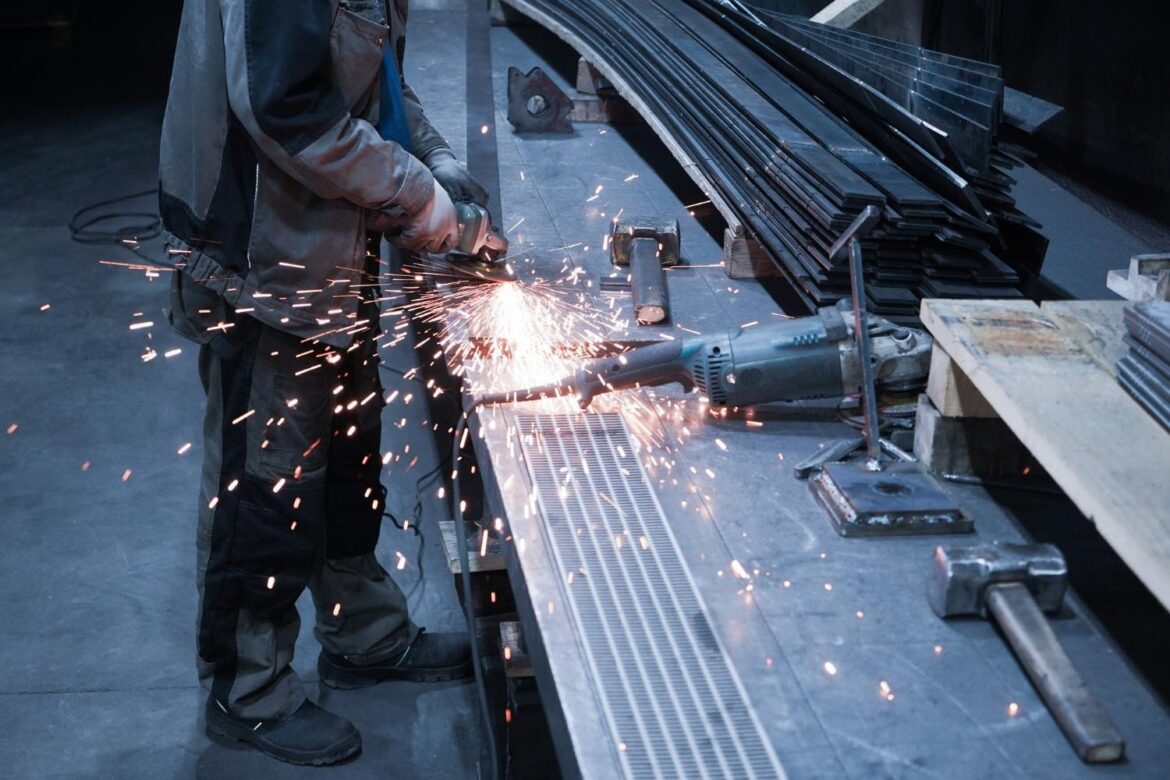
- Cutting and Shaping: Using tools such as laser cutters, plasma machines, and saws to precisely shape materials.
- Assembly and Welding: Joining components accurately while ensuring strength and alignment.
- Finishing: Applying protective coatings, galvanization, or paint for durability and aesthetics.
- Quality Inspection: Conducting thorough inspections and tests to confirm each piece meets required standards.
Every step contributes to the overall reliability and safety of the finished product. Quality fabrication transforms raw metal into components that perform consistently under stress, integrate seamlessly into larger systems, and withstand the test of time.
The Importance of Quality Fabrication
Quality metal fabrication in Dubai is the backbone of every infrastructure project. It ensures components are strong, safe, and durable. Without precise work, projects risk delays, higher costs, and safety issues.
Structural Integrity and Safety
Beams, columns, and joints must handle weight, stress, and wear. Good fabrication prevents failures and ensures safety. Poor welding or low-quality materials can cause accidents and financial loss.
Precision and Efficiency
Small errors can disrupt an entire structure. Accurate fabrication ensures a perfect fit, reduces installation time, and avoids on-site corrections. Modern tools like CNC cutting and CAD boost speed and precision.
Cost-Effectiveness
High-quality fabrication saves money over time. Durable parts mean fewer repairs, less waste, and fewer project delays. Quality upfront reduces long-term maintenance costs.
Aesthetic and Functional Appeal
Fabrication affects appearance, too. Clean welds, smooth finishes, and proper alignment improve the look and functionality of structures. Finishes like powder coating prevent corrosion and enhance visual appeal.
Sustainability
Efficient fabrication reduces waste, energy use, and material consumption. Long-lasting components lower environmental impact and support sustainable construction goals.
How Quality Fabrication Supports Project Success
Quality fabrication is not just assembling metal; it determines if a project will be safe, durable, and on time. Each stage, from cutting to finishing, affects the overall outcome. Precision ensures efficiency, compliance, and long-term reliability.
Improved Durability
Precision-fabricated components withstand stress, environmental factors, and heavy use over decades. High-quality fabrication ensures that structures remain operational with minimal maintenance, reducing the likelihood of costly repairs or project interruptions.
Compliance with Standards
Adhering to international and regional standards such as ISO, ASTM, and ASME is critical for project credibility. Quality fabrication ensures compliance with these standards, guaranteeing safety, performance, and acceptance in local and global markets.
Faster Project Completion
When fabrication is done correctly from the start, projects experience fewer delays caused by rework or component failures. This ensures timely delivery, smooth workflow, and client satisfaction.
Reputation and Reliability
Delivering high-quality fabrication work enhances a company’s reputation. Precision, durability, and safety build trust with clients, partners, and stakeholders. Projects completed with consistent quality lead to repeat business, referrals, and a strong track record in competitive industries.
Core Qualities of High-Quality Fabrication
- Skilled Workforce: Experienced fabricators understand metal properties, welding techniques, and engineering specifications, ensuring flawless execution.
- Advanced Technology: Automated laser cutting, CAD systems, and robotic welding allow accurate and efficient production.
- Premium Materials: High-grade metals form the foundation for strong and durable components.
- Rigorous Quality Control: Regular inspections, testing, and certifications verify that every element meets required standards.
- Attention to Detail: Precision at every stage, from measurement to finishing, ensures components perform as expected.
Industries That Depend on Quality Fabrication
Metal fabrication supports numerous industries, including:
- Construction: Structural frameworks, staircases, and safety supports.
- Oil & Gas: Pipelines, pressure vessels, and industrial platforms.
- Manufacturing: Machinery parts, conveyors, and equipment assemblies.
- Automotive and Aerospace: Custom chassis, tanks, and precision components.
- Architecture: Decorative facades and metal installations.
In all these sectors, high-quality fabrication ensures safety, durability, and operational efficiency.
Ensuring Project Success Through Skilled Fabricators
Partnering with experienced fabricators guarantees that projects are executed with precision, safety, and professionalism. Skilled fabricators understand engineering requirements, local regulations, and environmental factors, delivering results that exceed expectations. Their expertise ensures that every component meets the highest standards, reducing delays, minimizing costs, and supporting sustainable infrastructure development.
Investing in Custom Fabrication Solutions
For specialized projects or unique design requirements, custom fabrication provides tailored solutions that standard components cannot achieve. Custom-fabricated metal components allow architects, engineers, and project managers to implement innovative designs while maintaining safety, strength, and functionality. Investing in custom fabrication ensures projects meet both practical and aesthetic needs, resulting in infrastructure that is reliable, efficient, and visually appealing.
Conclusion
Quality metal fabrication is essential for infrastructure projects, impacting safety, performance, aesthetics, and long-term sustainability. Precise fabrication enhances structural integrity, reduces maintenance costs, and ensures projects are completed on time and within budget. Industries ranging from construction to oil and gas depend on meticulous fabrication work to meet operational demands.
Investing in expert fabrication and custom fabrication solutions ensures that projects are executed flawlessly, combining strength, durability, and design innovation. Companies like Morshedi specialize in delivering precise and reliable custom fabrication for complex infrastructure projects, helping businesses achieve lasting results with safety, efficiency, and sustainability at the forefront.