Every piece of technology has a lifecycle. Hard drives are no exception. They start as essential tools, quietly storing documents, memories, systems, and decisions. Over time, though, they slow down, fill up, or become incompatible with newer platforms, which is often when businesses begin looking for a Hard Drive Scrap Buyer to handle their retirement responsibly. Eventually, they reach a point where they no longer serve their original purpose.
That moment is easy to ignore. Old hard drives are often boxed up, stacked in cupboards, or left behind after upgrades. But moving on from them isn’t just about clearing space. It’s about making smarter choices that protect data, reduce waste, and create value long after the device stops being useful.
The Silent Build-Up of Forgotten Storage
In many offices and workspaces, old hard drives don’t fail dramatically. They simply fade out of relevance. A system upgrade happens, and the drives are removed. A server is replaced, and its storage is shelved “for later.” Over months or years, these devices accumulate quietly.
What looks like harmless storage is often a growing risk. Each unused drive still holds data. It also represents material waste waiting to happen if not handled properly. Ignoring this stage of the technology lifecycle is common, but it’s rarely wise.
Why Moving On Is Harder Than It Seems
Letting go of hard drives feels complicated for a reason. Unlike many other electronic items, they store information that once mattered. Even when that data is no longer useful, it can still be sensitive.
Many people assume deleting files or formatting the drive solves the issue. In reality, data often remains recoverable long after deletion. This creates concerns around privacy, compliance, and security, especially for businesses handling customer or operational data.
Moving on, therefore, requires more than physical removal. It requires certainty.
Data Security Comes First
Before a hard drive can leave a workspace, its data must be dealt with responsibly. This isn’t about convenience, it’s about protection. Information stored years ago may still carry value or risk today.
Proper data destruction ensures that nothing can be retrieved once the drive changes hands. This step transforms an old hard drive from a liability into something safe to process further. Without it, even recycling becomes risky.
This is one of the main reasons people turn to a professional Hard Drive Scrap Buyer not just to remove hardware, but to ensure peace of mind.
What Happens After Data Is Gone
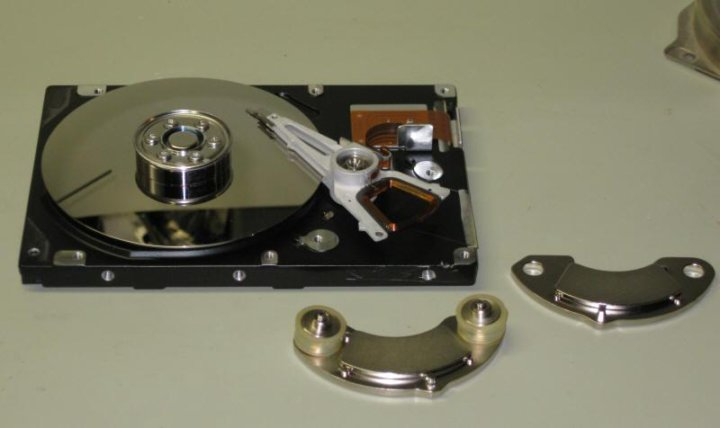
Once data is securely destroyed, a hard drive’s story isn’t over. Inside the casing are materials that can be recovered and reused. Metals, components, and parts can re-enter manufacturing cycles instead of being wasted.
This process reduces electronic waste and limits the need for extracting new raw materials. It’s a practical example of how smarter disposal choices can support sustainability without disrupting daily operations.
Instead of becoming landfill waste, retired hard drives become part of a circular system, one where nothing is discarded thoughtlessly.
The Role of Expertise and Location
Not all recycling processes are equal. Handling electronic scrap requires technical knowledge, compliance awareness, and proper logistics. This becomes even more important in fast-growing cities where businesses upgrade technology frequently.
Working with a specialized Hard Drive Scrap Buyer in Dubai helps ensure that collection, handling, and processing are done responsibly. Local expertise matters when navigating regulations, transport, and environmental standards.
It also simplifies the process for businesses that don’t have time to manage disposal internally.
A Familiar Workplace Story
Consider a typical office transition. New systems arrive, productivity improves, and teams adapt quickly. Meanwhile, old hard drives are removed and placed in storage “temporarily.” Weeks turn into months. The cupboard fills. No one is sure what’s inside anymore.
Eventually, someone raises a concern: what data is still on those drives? Who’s responsible for them? Suddenly, what seemed like a minor detail becomes a pressing issue.
Handled properly, this moment becomes a turning point. Drives are processed securely. Space is cleared. Risks disappear. And the organization moves forward without loose ends.
Environmental Impact Beyond the Office
Electronic waste is one of the fastest-growing waste streams worldwide. Hard drives contribute to this problem when disposed of incorrectly. They contain materials that don’t degrade naturally and can harm the environment if unmanaged.
Responsible recycling changes this outcome. Harmful substances are controlled. Useful materials are recovered. Less waste ends up where it doesn’t belong.
One decision to handle old hard drives properly extends its impact far beyond a single business or household.
Moving On Is a Strategic Choice
Letting go of outdated storage isn’t just an operational task. It’s a strategic decision. It reflects how an organization approaches responsibility, security, and sustainability.
Instead of reactive cleanups, planned transitions make the process smoother. Hard drives are retired intentionally, not forgotten. Data is handled with care. Disposal is done with purpose.
This approach reduces stress and supports long-term efficiency.
Creating Space for the Future
There’s also a quieter benefit to moving on properly: clarity. Physical space opens up. Digital systems feel cleaner. Teams no longer worry about what’s hidden away. When outdated storage is handled through a professional Hard Drive Scrap Buyer in Dubai, this sense of order extends beyond the office floor. It reassures teams that data has been dealt with securely, responsibilities are closed properly, and the transition to newer systems is complete without lingering risks or uncertainty.
This sense of closure matters more than it seems. It signals that old chapters are truly closed, making room for what comes next, new systems, new ideas, and better workflows.
Conclusion
When hard drives outlive their purpose, moving on is less about disposal and more about intention. It’s about protecting data, respecting the environment, and closing the loop thoughtfully. For those ready to take that smarter step, solutions like IT Scrap Buyer quietly support the journey, helping yesterday’s storage make a responsible exit while tomorrow moves forward. They specialize in handling retired storage devices with a strong focus on data safety and responsible processing. Their approach combines secure collection, proper evaluation, and environmentally mindful recycling practices. By simplifying the entire process, they help businesses and individuals move on from outdated hard drives with confidence and clarity.