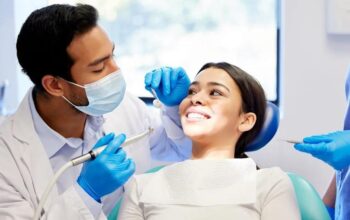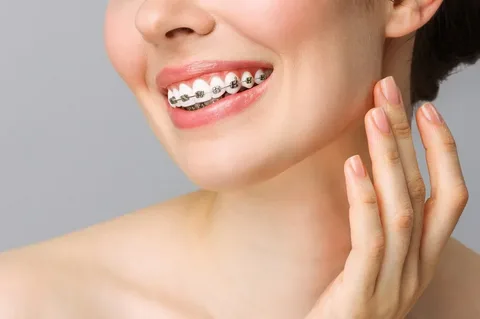
Correcting dental alignment is not just about achieving a beautiful smile; it’s about improving oral health, function, and long-term dental stability. When considering orthodontic treatment, parents and adults alike often look for the top dental braces in Singapore to ensure effective results with minimal discomfort. With a wide range of brace types, technologies, and providers, understanding the factors that influence your choice can make the process smoother and more successful.
Selecting the right dental braces requires balancing aesthetics, treatment duration, cost, comfort, and overall oral health. In this guide, we’ll explore the key factors to consider when choosing braces, helping patients make informed decisions while ensuring the best possible outcomes.
1. Understanding the Types of Braces
One of the first steps in selecting braces is understanding the available options. Braces differ in materials, visibility, and application methods. Common types include:
- Traditional Metal Braces: The most common type, highly effective for complex cases. They consist of metal brackets and wires that gradually shift teeth into proper alignment.
- Ceramic Braces: Similar to metal braces but use tooth-colored or clear brackets, making them less noticeable. Suitable for patients seeking a discreet option.
- Lingual Braces: Placed behind the teeth, making them virtually invisible from the front. Ideal for adults concerned about aesthetics, though they may be more challenging to clean.
- Clear Aligners (Invisalign®-style): Removable, transparent trays that gradually move teeth. Comfortable and convenient for those who want a near-invisible solution.
Each type has pros and cons regarding visibility, comfort, treatment time, and maintenance. Discussing these options with an orthodontist ensures that patients select a solution that aligns with their lifestyle and dental needs.
2. Assessing Oral Health and Suitability
Before starting treatment with top dental braces in Singapore, a comprehensive dental evaluation is necessary. Not every brace option is suitable for all patients, particularly those with severe bite issues or underlying dental conditions. Key assessments include:
- Bite analysis to identify misalignment or jaw issues
- Dental hygiene evaluation to prevent complications during treatment
- X-rays and imaging to map tooth movement and plan the treatment timeline
An experienced orthodontist ensures that the chosen braces not only improve aesthetics but also enhance oral function and long-term dental health.
3. Treatment Duration and Efficiency
Patients often consider how long treatment will take, especially adults seeking faster results. Traditional metal braces may require 18–24 months for complete correction, while clear aligners might offer shorter or more flexible timelines depending on the severity of misalignment.
Factors influencing treatment duration:
- Severity of dental misalignment
- Type of braces chosen
- Patient compliance with care instructions and appointments
Understanding the expected timeline helps patients plan for follow-ups and anticipate changes in daily routines, speech, and oral hygiene habits.
4. Comfort and Ease of Maintenance
Comfort is a critical factor, especially for young patients. Some braces may cause mild discomfort initially as teeth begin shifting, but poorly fitted braces can lead to more serious issues like gum irritation or enamel wear.
Tips to improve comfort:
- Use orthodontic wax on brackets to prevent irritation
- Follow dietary guidelines to avoid hard or sticky foods
- Maintain a rigorous oral hygiene routine to prevent plaque buildup
Clear aligners often offer a more comfortable experience since they are removable, but they require consistent use to remain effective.
5. Cost Considerations
The cost of top dental braces in Singapore varies widely depending on type, complexity of treatment, and clinic reputation. Traditional metal braces are generally more affordable, while clear aligners or lingual braces may be more expensive due to materials and customization.
Cost-related factors to consider:
- Initial consultation and evaluation fees
- Estimated total treatment cost, including adjustments and follow-ups
- Insurance coverage or payment plans offered by the clinic
Budgeting appropriately ensures patients can complete treatment without interruptions, which is essential for achieving desired outcomes.
6. Aesthetic Preferences
For many patients, aesthetics play a significant role in selecting braces. Clear or tooth-colored options minimize visibility, while lingual braces are hidden entirely. Younger patients or adults who are self-conscious about their appearance may prefer these discreet options.
- Ceramic and clear aligners provide a balance between functionality and visual appeal
- Metal braces may be preferred for children due to durability and cost-effectiveness
Ultimately, selecting braces that patients feel confident wearing encourages adherence to treatment and regular oral care.
7. Experience and Reputation of the Provider
The orthodontist or clinic’s experience is crucial for successful treatment. Look for specialists with a proven track record in handling diverse cases, including severe misalignment or complex bite issues. Clinics with modern equipment and trained staff can provide efficient, safe, and precise care.
Patients often consult reviews, testimonials, and before-and-after photos to evaluate a provider’s expertise. Collaborating with a reputable clinic ensures both high-quality care and peace of mind during the treatment journey.
8. Follow-Up Care and Support
Braces treatment requires regular adjustments, monitoring, and post-treatment maintenance. A good orthodontic provider offers structured follow-ups to track progress and address any concerns promptly.
- Routine check-ups ensure proper tooth movement and prevent complications
- Access to emergency care in case of broken brackets or wires
- Guidance on post-braces care, including retainers and oral hygiene
Choosing a provider that prioritizes ongoing support improves treatment efficiency and long-term results.
9. Personalization and Technology
Modern orthodontics offers advanced technology for planning and customizing braces. Digital imaging, 3D scans, and simulation software allow for precise treatment planning and visualization of expected outcomes.
Patients should look for clinics that:
- Offer digital treatment plans and progress tracking
- Customize braces for individual comfort and effectiveness
- Use modern materials and techniques to minimize discomfort and treatment time
This personalized approach ensures that each patient receives a solution tailored to their dental needs and lifestyle.
Conclusion
Choosing the right braces involves more than aesthetics. Factors such as type, oral health, comfort, cost, and provider experience influence outcomes. Patients seeking the best dental clinics for braces benefit from personalized plans, advanced technology, and ongoing support. A reputable clinic ensures both functional and cosmetic goals are met.
If you are someone looking for professional orthodontic care that balances expertise with patient comfort, BRACESAURUS offers comprehensive orthodontic care, including modern braces options for children and adults. With advanced digital planning, experienced orthodontists, and a child-friendly approach, the clinic emphasizes comfort, safety, and precision. Patients receive personalized treatment plans, ongoing support, and holistic care to achieve long-lasting, healthy, and confident smiles.